
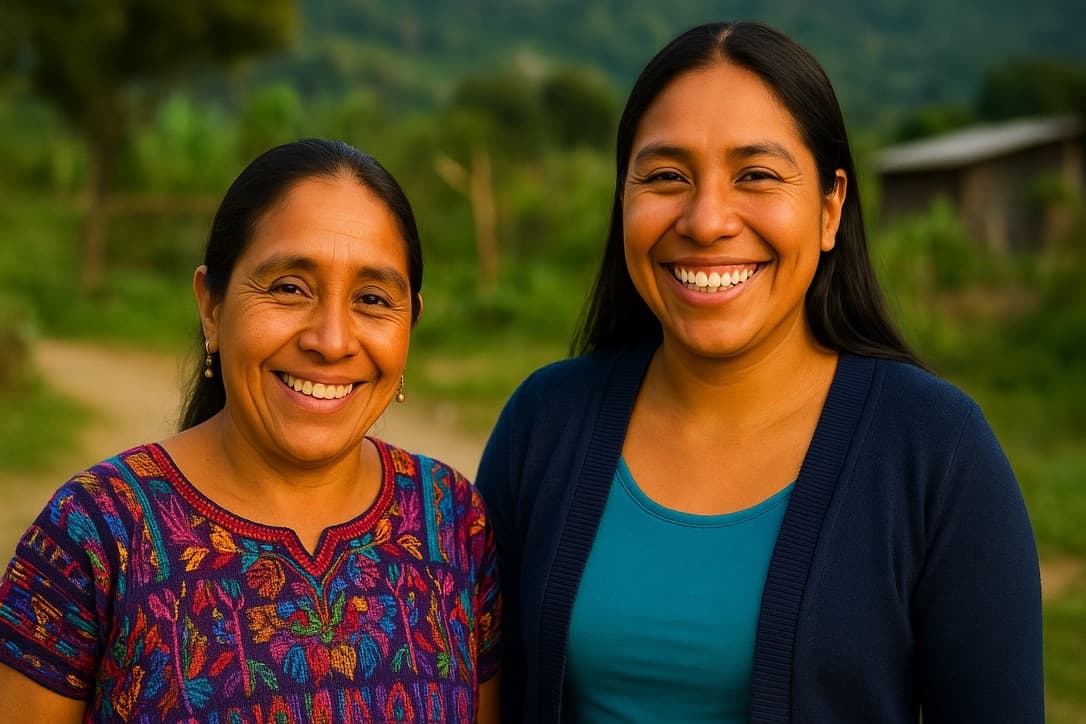
Escuintla's urgency: Cervical cancer is the top cancer-related killer of Guatemalan women, yet it is preventable. High-risk HPV strains affect roughly 26% of women locally (versus 11% worldwide) and every 90 seconds another woman dies globally. Escuintla Regional Hospital recorded 100 preventable deaths last year.
Barriers women name:
- Machismo and limited decision-making power keep many women from seeking care.
- Language divides matter when clinics speak Spanish and families speak K'iche', Q'eqchi', or other Mayan languages.
- Travel costs, childcare, violence, and trauma make long journeys to clinics unsafe.
- Clinics struggle with supplies, follow-up data, and referral continuity, so women fall off the cliff after a first visit.
- Indigenous women face layered discrimination and are underrepresented in institutional care.
- Policy gaps, corruption, and underfunded budgets slow investments in women's health.
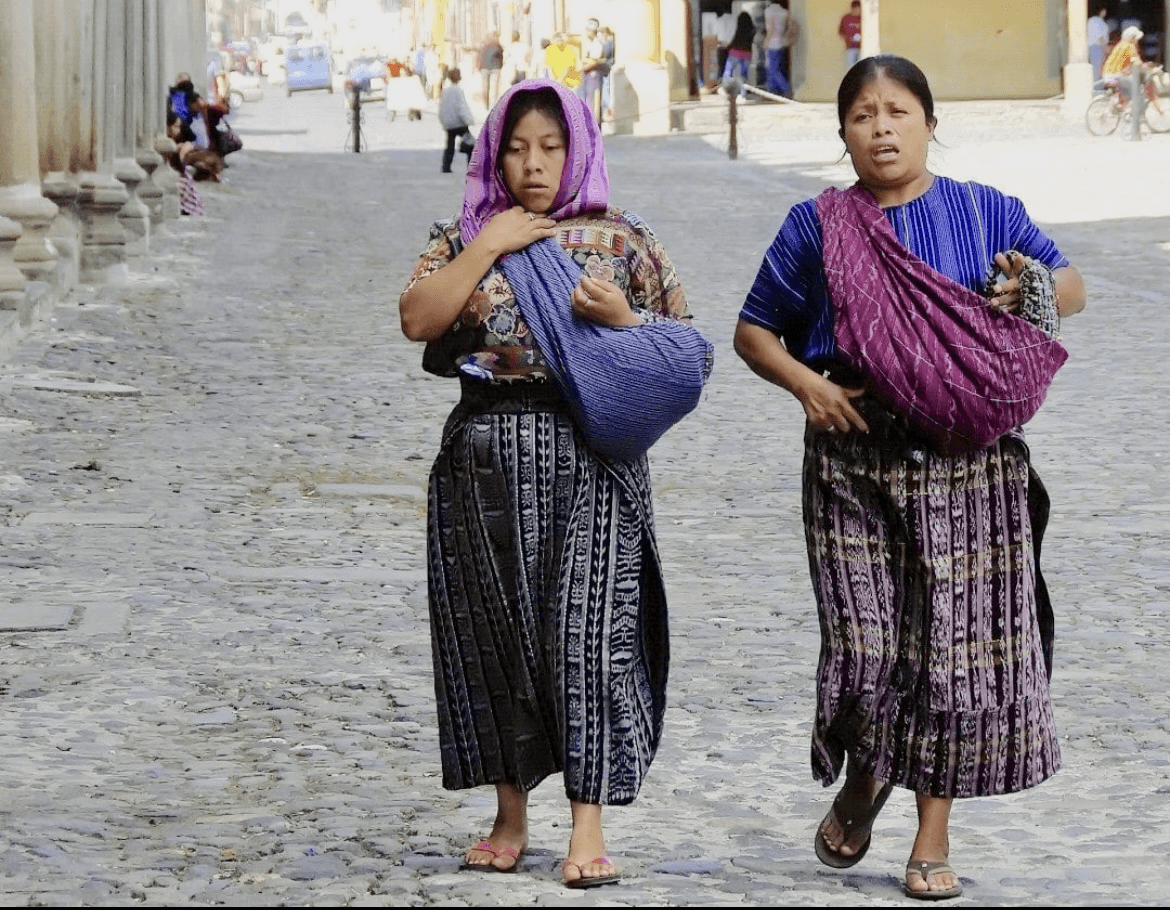
Community-led planning: During the January 2025 Days for Girls mission, 90 comadronas asked Rotary to address cervical cancer after watching patients walk miles for nothing. Phase 1 trains hospital lab techs, midwives, nurses, and community health workers on HPV science, self-collection, VIA, thermocoagulation, and follow-up navigation.
Global Grant path: The grant (GG2578595) entered Rotary's system on March 10, 2025. Escuintla Regional Hospital owns the equipment, budgets for maintenance, and will continue purchasing kits after the initial two-year push ending June 30, 2027. Rotarians provide oversight, reporting, and transparent finances.